When Puja Becomes Performance: The Exhaustion of Going Through Hindu Motions
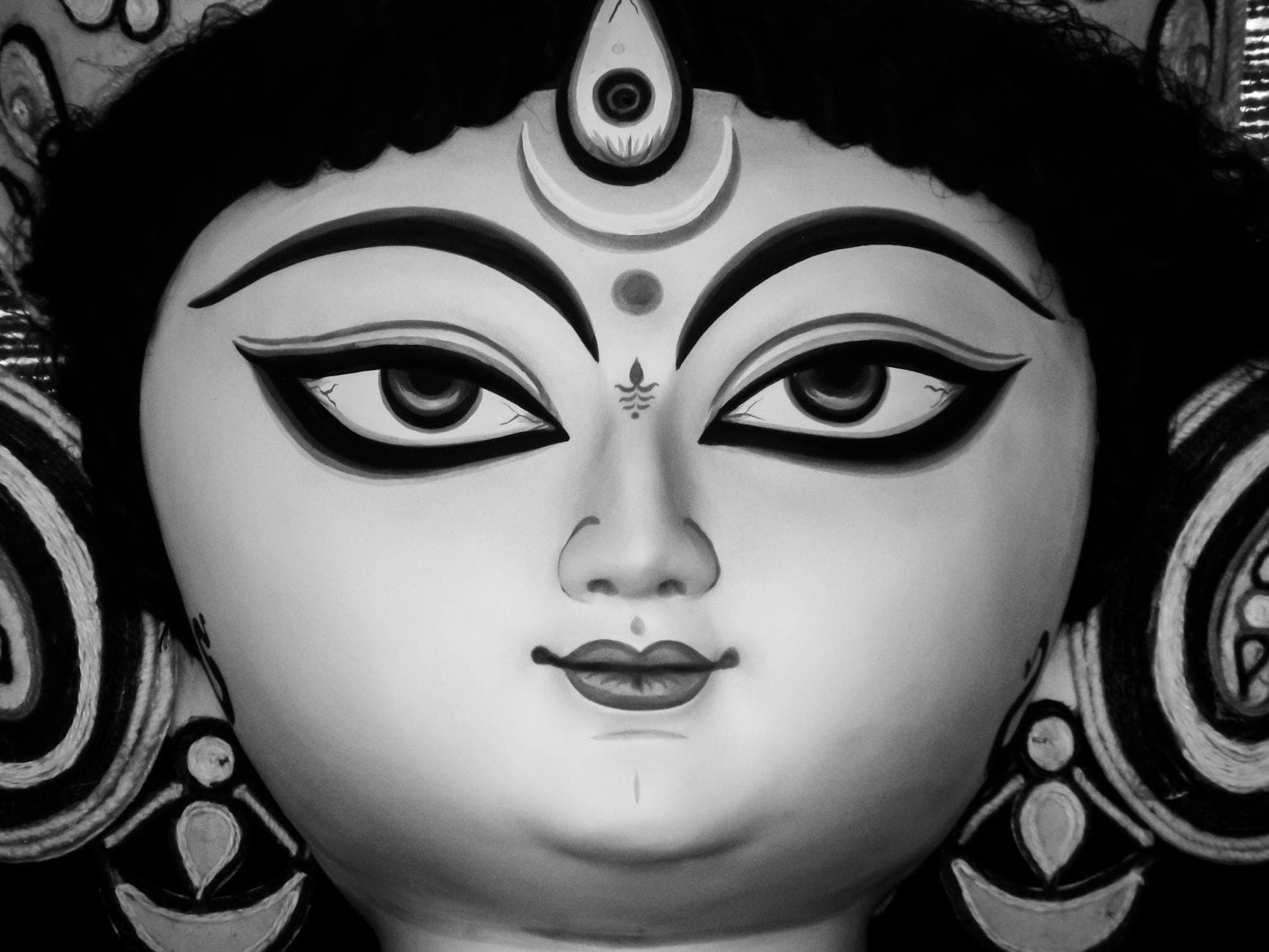
Photo by Monojit Dutta
You're standing in the space between staying and going, and that space is smaller than you thought it would be. The sangha that was your whole world is still right there, still carrying on, still performing the same rituals. But you can't perform them anymore. Not convincingly. Not honestly.
What comes next is uncertain. What's happening now is real.
What Are You Actually Feeling?
What you're experiencing is real, and it's more common than anyone around you is likely to acknowledge. Performing rituals you no longer believe in is not devotion, it is emotional labor, and recognizing that exhaustion is permission to stop. Naming this is not the end of the process, but it is the beginning.
What makes this particular to Hinduism is the totality of what's involved. This isn't just a change in Sunday morning plans. The sangha organized your social life, your moral framework, your sense of where you stand in the universe, and often your closest relationships. When you question one piece, the rest trembles.
Many people who've been through this describe a period of emotional whiplash, relief and grief, freedom and fear, anger and tenderness, all arriving without warning. If that's your experience, you're not unstable. You're in the middle of something enormous, and your emotional system is doing exactly what it should: responding to the full reality of what's happening.
The anticipatory grief of leaving, mourning losses that haven't fully happened yet, is one of the most disorienting features of this stage. You're grieving the conversations that will go badly, the relationships that will strain, the holidays that will feel different. This forward-looking grief is exhausting because you're mourning the present and the future simultaneously. You're allowed to grieve something other people don't understand as a loss.
What Nobody Tells You About the First Weeks
The first weeks are a strange combination of relief and terror. You may feel lighter than you have in years, followed immediately by a wave of grief so heavy it pins you to the bed. Both are real. Neither negates the other. Most people report that the emotional volatility of the early weeks gradually gives way to something more manageable, but "gradually" means weeks or months, not days.
The Hindu world taught you that caste and dharmic identity was who you are, not just what you believe. When that identity cracks, you're not just revising a theological position. You're losing a self-concept that organized everything from your daily routine to your deepest relationships.
Notice if your jaw is tight right now. That tension is your body holding something your words haven't caught up to yet. The part of you that learned to be small, to not make waves, to perform certainty for other people's comfort, that part had a job once, and it did it well. It kept you safe inside a system that required compliance. But you're in a different place now, and that protective part doesn't always know it yet. Be gentle with it. It's working from old information.
There is no clean way to leave Hinduism. Most departures are messy, gradual, and ambiguous. Some people leave and come back. Some leave physically but stay emotionally for years. Some leave one community and join another. All of these are valid patterns, and none of them follow a script. You don't have to be sure about anything to deserve support.
The Conversations You're Dreading
The conversation you're dreading probably won't go the way you've rehearsed it, for better and for worse. Most people find that having a script helps with the first thirty seconds and becomes useless after that. What helps more than a script is a clear sense of what you need the other person to understand, and the willingness to pause if the conversation goes off the rails.
The being told you are destroying the family's spiritual merit is one of the most painful dimensions of this transition. Your family isn't trying to hurt you. They're operating from the same framework you were given, one that tells them your soul is at stake. Their fear is real, even when their response is harmful.
Anger is often the emotion people feel most guilty about, because most religious traditions teach that anger is sinful or dangerous. But anger at genuine harm is not only appropriate, it's a sign that your sense of self-worth is intact. You're angry because you were treated in ways that weren't okay. That clarity is a foundation you can build on.
People who leave Hinduism often describe feeling like they're performing a kind of social death, visible to the community as an absence, discussed in terms that reduce their complex decision to a simple narrative of being "lost" or "fallen." That narrative erasure is its own kind of harm, and it's okay to feel angry about it.
What You Can Expect to Feel
You can expect to feel everything at once, and then nothing at all, and then everything again. The emotional rhythm of this transition is not a smooth arc from pain to peace. It's more like weather, storms and calm in unpredictable patterns that gradually shift toward more calm than storm. But the storms can still catch you off guard months or years in.
In Hinduism, doubt is rarely treated as a healthy part of growth. It's framed as a danger, a test, or a failure. That framing makes it nearly impossible to question openly, which forces the questioning underground, where it festers in isolation, disconnected from the support you'd need to navigate it well.
The nighttime hours are often the worst. During the day, distraction helps. But at 2 AM, when the weight of disappointing your ancestors and abandoning your dharma shows up, there's nowhere to hide. If this is happening to you, know that it's incredibly common, it's not a sign that your doubt is wrong, and it does get less frequent over time.
There is no clean way to leave Hinduism. Most departures are messy, gradual, and ambiguous. Some people leave and come back. Some leave physically but stay emotionally for years. Some leave one community and join another. All of these are valid patterns, and none of them follow a script. You're allowed to take this at your own pace.
You Don't Have to Navigate This Alone
If the weight of everything you're carrying right now feels like too much for one person, that feeling is telling you something worth listening to. You were never meant to navigate this alone, even though the nature of this transition often strips away the very support systems you'd normally rely on.
A therapist who understands religious transition can provide support that friends and family, however well-meaning, often cannot. You don't have to be in crisis to reach out. You don't have to have your story figured out.
There is no right timeline for any of this. There is no correct sequence of steps, no checklist to complete, no milestone that marks "done." You are allowed to take this at whatever pace makes sense for your life, and whatever you're feeling right now, the grief, the anger, the relief, the confusion, all of it tangled together, is the appropriate response to something genuinely significant.
Share this article
Your Next Steps
Try This
- Write down one moment from a recent puja or ritual where you felt the disconnect most sharply, not to judge it, just to acknowledge it existed.
- Choose one upcoming religious obligation and give yourself explicit permission to opt out of it this week, without explanation to anyone.
- Text or message one person in your life, inside or outside the tradition, who you trust to hold your uncertainty without trying to fix it.
Keep Reading
A Moment to Reflect
It's okay if the exhaustion you feel during rituals is itself a form of honesty, what might it mean that your body and heart are no longer willing to perform what your mind no longer believes?
You might notice grief and relief arriving at the same time when you imagine stepping back from practice. Both of those feelings are allowed to be true at once.
What would it feel like to let one small ritual go, not as a statement, not as a door closing forever, but just as a single act of kindness toward yourself?
Stay connected
A monthly letter with new articles, book recommendations, and quiet resources. Just an email address — unsubscribe anytime.