Religious Trauma After Orthodox Judaism: Finding a Therapist Who Actually Understands
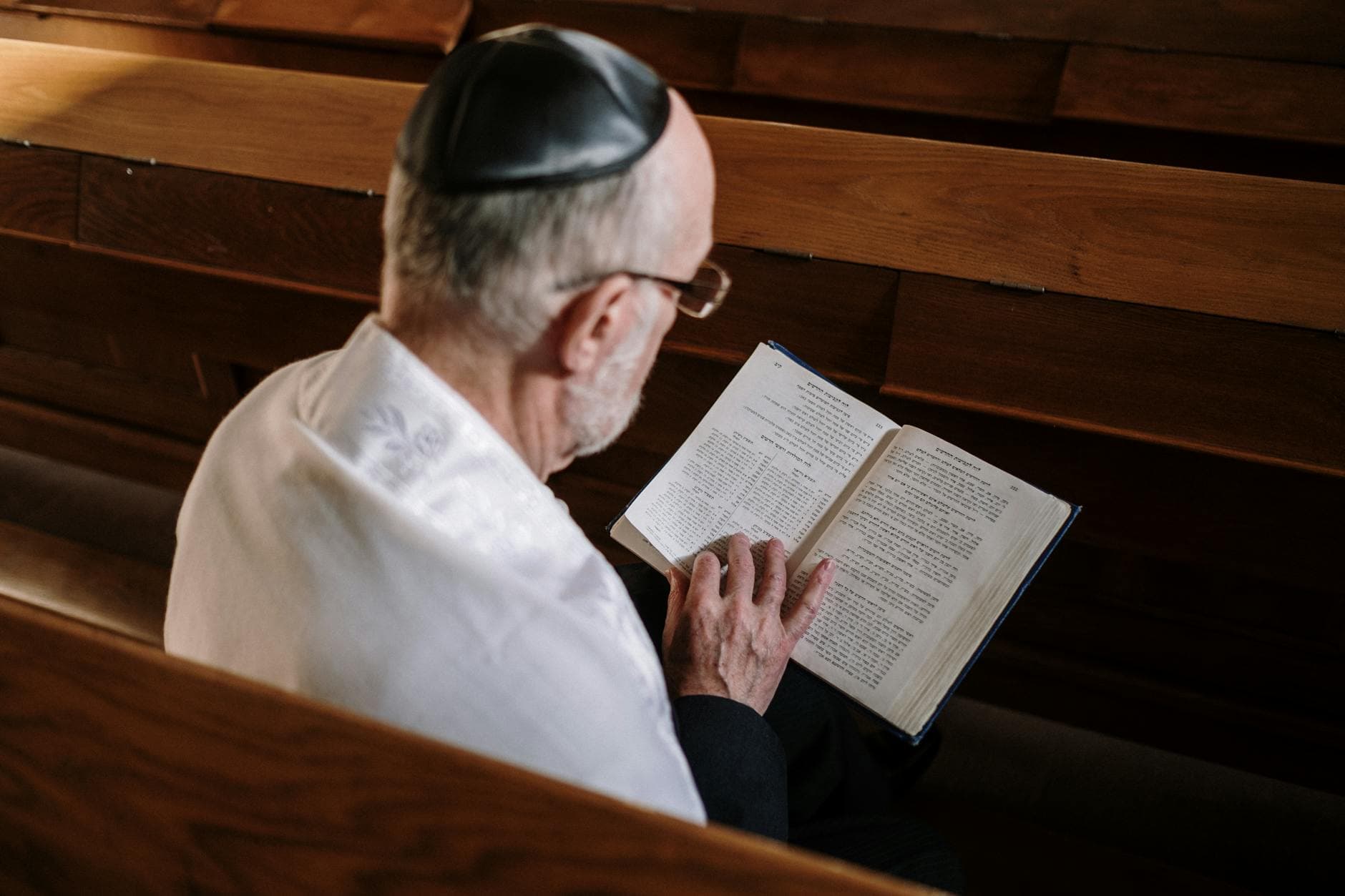
Photo by cottonbro studio
Some mornings you wake up and it hits you fresh, the weight of what you walked away from, or what walked away from you. The anger comes in waves. The grief doesn't follow a schedule. People who haven't been through this keep asking if you're doing better now, and you don't have an answer that fits their question.
You're not broken. You're in the middle of something enormous.
Where Do You Start?
What you're experiencing is real, and it's more common than anyone around you is likely to acknowledge. Most therapists are trained in Christian-centric religious trauma; finding one who understands halachic obligation, communal surveillance, and Jewish guilt requires deliberate searching. Naming this is not the end of the process, but it is the beginning.
What outsiders rarely understand about leaving Orthodox Judaism is the scope of what changes. It's not just beliefs. It's vocabulary, social calendar, moral intuitions, daily habits, relationship dynamics, and often your sense of safety. The word "leaving" doesn't capture the enormity of what's actually happening.
The practical realities of this transition deserve to be taken as seriously as the emotional ones. Whether you're navigating changes in your relationships, your daily routines, your financial situation, or your sense of identity, each area needs its own attention. You don't have to address them all at once.
Recovery is not a linear process with a finish line. It's more like weather, some days are clear and you can see for miles, and others the fog rolls in and you can barely see your feet. Both kinds of days are part of the process. The pressure to be "over it" by some deadline is itself a remnant of the all-or-nothing thinking many traditions instill. You're not behind schedule. There is no schedule.
Is What Happened to You Trauma?
Whether what happened to you qualifies as trauma is something you get to name for yourself. What's useful to know is that prolonged exposure to high-control religious environments can affect your nervous system in ways that look and feel like trauma responses, hypervigilance, shame spirals, difficulty trusting, emotional numbness. You don't need a clinical label to deserve support.
What makes this particular to Orthodox Judaism is the totality of what's involved. This isn't just a change in Sunday morning plans. The the community organized your social life, your moral framework, your sense of where you stand in the universe, and often your closest relationships. When you question one piece, the rest trembles.
Document everything you might need, financial records, important contacts, educational certificates, legal documents. If your transition involves any risk of conflict over money, custody, or housing, having your own copies of key documents is not paranoia. It's practical wisdom.
Some days you will feel fine. Some days you will feel like you're back at the beginning. This is normal, and it doesn't mean you've lost progress. Healing is not a staircase, it's more like a spiral. You revisit the same themes, but each time you encounter them from a slightly different altitude. The spiral is still moving upward, even when it circles back. It's okay to feel two contradictory things at the same time.
What Should You Look for in a Therapist?
Look for a therapist who understands religious transition specifically, not just someone who is "open-minded about spirituality." The right therapist won't try to rebuild your faith or fast-track your departure. They'll help you process what happened at your own pace, with genuine understanding of the specific dynamics of Orthodox Judaism.
The shidduch consequences you may be experiencing isn't a personal failure. It's the predictable consequence of a system that tied your sense of lifecycle rituals directly to your participation in Orthodox Judaism. When that participation changes, the loss is real and proportionate to what was at stake.
One of the most practical things you can do right now is separate what's urgent from what's important. The pressure to have everything figured out immediately, your beliefs, your relationships, your identity, your future, is overwhelming and unnecessary. Most people navigate this one decision at a time, and that approach isn't just acceptable. It's wise.
The anger you feel is not a distraction from recovery. It is part of recovery. Your tradition probably taught you that anger is dangerous or sinful, which means you may feel guilty about feeling it. But anger at genuine harm is healthy. It means your sense of justice is intact. The work is not to eliminate the anger but to channel it so it fuels your rebuilding rather than consuming you. There is no right timeline for any of this.
Why the Anger Makes Sense
You're angry because you were harmed, and anger is the healthy response to genuine harm. The years you gave, the decisions you made based on incomplete or manipulated information, the parts of yourself you suppressed, these are legitimate grounds for fury. Your anger is not a phase to rush through. It is information about what happened to you.
The being erased from shidduch prospects for younger siblings is one of the most painful dimensions of this transition. Your family isn't trying to hurt you. They're operating from the same framework you were given, one that tells them your soul is at stake. Their fear is real, even when their response is harmful.
The internet has created resources for people leaving Orthodox Judaism that didn't exist a generation ago. Online communities, specialized forums, podcasts, YouTube channels, memoirs, self-help guides, the ecosystem of support is vast. But be discerning: not all post-faith communities are healthy, and some replicate the same controlling dynamics they claim to oppose. Look for spaces that tolerate disagreement.
Recovery is not a linear process with a finish line. It's more like weather, some days are clear and you can see for miles, and others the fog rolls in and you can barely see your feet. Both kinds of days are part of the process. The pressure to be "over it" by some deadline is itself a remnant of the all-or-nothing thinking many traditions instill. It's okay if this takes longer than you thought it would.
This Grief Doesn't Follow a Schedule
What you're navigating right now is genuinely significant, and it deserves to be taken seriously, by you and by the people around you. This isn't a phase, a rebellion, or a crisis to be managed. It's a fundamental shift in how you understand yourself and the world, and that kind of shift takes time, support, and patience.
The Jewish world taught you that frum identity was who you are, not just what you believe. When that identity cracks, you're not just revising a theological position. You're losing a self-concept that organized everything from your daily routine to your deepest relationships.
If you're in a situation where your practical stability, housing, employment, custody, physical safety, depends on maintaining the appearance of faith, that changes the calculus entirely. Your first priority is securing your independence in the areas that matter most. Everything else, the honest conversations, the public identity shift, the formal departure, can wait until you have solid ground to stand on.
Some days you will feel fine. Some days you will feel like you're back at the beginning. This is normal, and it doesn't mean you've lost progress. Healing is not a staircase, it's more like a spiral. You revisit the same themes, but each time you encounter them from a slightly different altitude. The spiral is still moving upward, even when it circles back. It's okay if this takes longer than you thought it would.
You Don't Have to Navigate This Alone
If the weight of everything you're carrying right now feels like too much for one person, that feeling is telling you something worth listening to. You were never meant to navigate this alone, even though the nature of this transition often strips away the very support systems you'd normally rely on.
A therapist who understands religious transition can provide support that friends and family, however well-meaning, often cannot. You don't have to be in crisis to reach out. You don't have to have your story figured out.
There is no right timeline for any of this. There is no correct sequence of steps, no checklist to complete, no milestone that marks "done." You are allowed to take this at whatever pace makes sense for your life, and whatever you're feeling right now, the grief, the anger, the relief, the confusion, all of it tangled together, is the appropriate response to something genuinely significant.
Share this article
Your Next Steps
Try This
- Write down three qualities you are looking for in a therapist, not just credentials, but how you want to feel in the room with them.
- Search for one therapist this week and read their bio without committing to anything, just notice what comes up for you.
- Prepare one sentence that describes what you went through, so you have something to say when a potential therapist asks why you're reaching out.
Keep Reading
A Moment to Reflect
It's okay if the idea of finding a therapist feels exhausting right now, you don't have to have it all figured out before you take one small step.
You might notice some resistance to talking to someone who doesn't share your background. What would it feel like to trust that resistance as useful information, not an obstacle?
What would it mean to be fully honest with a therapist, to say the things you've never been able to say out loud in a community that was watching?
Further Reading
Stay connected
A monthly letter with new articles, book recommendations, and quiet resources. Just an email address — unsubscribe anytime.