Reclaiming Sundays: What to Do With the Time the Church Used to Own
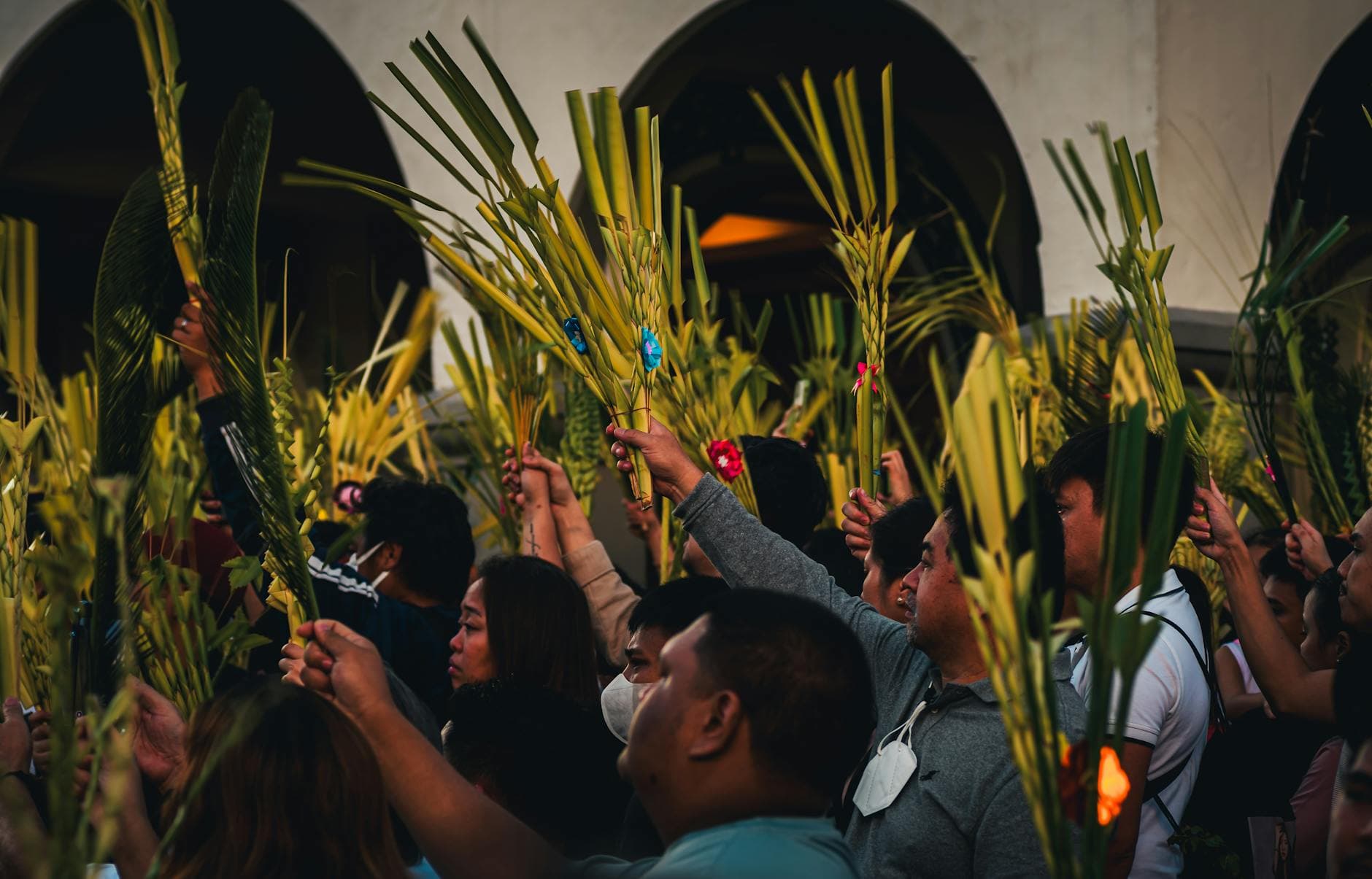
Photo by JC Presco
You are further along than you think. The fact that you're here, thinking about what to build rather than what you left, is evidence of distance traveled. The grief isn't gone, and it doesn't need to be gone for you to start building. The two can coexist: mourning what was and creating what will be.
This is your life now. You get to fill it.
What Does This Mean for You?
What you're experiencing is real, and it's more common than anyone around you is likely to acknowledge. Between three-hour blocks, callings, ministering, and preparation, the church owned your Sundays, reclaiming that time is both exhilarating and disorienting. Naming this is not the end of the process, but it is the beginning.
Many people who've navigated this transition from the LDS Church describe the same paradox: the temple recommend interview that once felt like home now feels like a performance, but the absence of it feels like nothing at all. That gap between performance and absence is where much of the disorientation lives.
The internet has created resources for people leaving the LDS Church that didn't exist a generation ago. Online communities, specialized forums, podcasts, YouTube channels, memoirs, self-help guides, the ecosystem of support is vast. But be discerning: not all post-faith communities are healthy, and some replicate the same controlling dynamics they claim to oppose. Look for spaces that tolerate disagreement.
The freedom of rebuilding is real, and so is the loneliness. You're making choices that nobody in your former community modeled for you. There's no template for a post-LDS life, no mentor who walked this exact path before you. That means you're building in the dark sometimes. But it also means what you build will be genuinely, authentically yours. You don't have to be sure about anything to deserve support.
What Gets to Stay?
Not everything from your faith needs to go. The compassion, the discipline of reflection, the capacity for community, the familiarity with sitting in silence, these may have been cultivated inside a tradition you're leaving, but they belong to you. The work of rebuilding includes a careful inventory: what was given to me, what did I make mine, and what do I want to carry forward?
What outsiders rarely understand about leaving the LDS Church is the scope of what changes. It's not just beliefs. It's vocabulary, social calendar, moral intuitions, daily habits, relationship dynamics, and often your sense of safety. The word "leaving" doesn't capture the enormity of what's actually happening.
The practical realities of this transition deserve to be taken as seriously as the emotional ones. Whether you're navigating changes in your relationships, your daily routines, your financial situation, or your sense of identity, each area needs its own attention. You don't have to address them all at once.
Rebuilding often involves a period of overcorrection, swinging hard away from everything associated with your former faith before finding a more nuanced middle ground. If you find yourself rejecting things you actually still value just because they're associated with the LDS Church, that's worth noticing. You get to keep what serves you. Leaving the tradition doesn't require leaving every single thing it touched. There is no right timeline for any of this.
Building Something That's Actually Yours
What you're navigating right now is genuinely significant, and it deserves to be taken seriously, by you and by the people around you. This isn't a phase, a rebellion, or a crisis to be managed. It's a fundamental shift in how you understand yourself and the world, and that kind of shift takes time, support, and patience.
The LDS world taught you that temple-worthy Mormon identity was who you are, not just what you believe. When that identity cracks, you're not just revising a theological position. You're losing a self-concept that organized everything from your daily routine to your deepest relationships.
Information is a form of power in this process, and much of the information you need isn't available from inside the LDS Church. Seek out people who have navigated similar transitions. The experience of leaving the LDS Church has been documented extensively by others, and their insights can save you from unnecessary pain and costly mistakes.
What you build from here doesn't have to be a replacement for what you left. It doesn't have to be a new belief system, a new community that mirrors the old, or a new set of answers. It can be something messier and more honest, values tested against experience, relationships built on authenticity, and a life that makes sense to you even if it wouldn't make sense to who you were five years ago. You're allowed to grieve something other people don't understand as a loss.
The Joy That Arrives Uninvited
Joy will arrive uninvited, often at the most unexpected moments, the first Sunday you sleep in without guilt, the first meal you eat without calculating its permissibility, the first time you say "I don't know" and feel relief instead of shame. Let the joy be there. You don't have to earn it or justify it. It's part of this process too.
The total institutional control you may be experiencing isn't a personal failure. It's the predictable consequence of a system that tied your sense of the garment wearing routine directly to your participation in the LDS Church. When that participation changes, the loss is real and proportionate to what was at stake.
The systems your faith community provided, social support, moral guidance, community events, life milestones, were comprehensive. Replacing them requires building multiple new systems, not finding a single replacement. Think of it less like switching churches and more like designing a new operating system for your social and moral life, one feature at a time.
The freedom of rebuilding is real, and so is the loneliness. You're making choices that nobody in your former community modeled for you. There's no template for a post-LDS life, no mentor who walked this exact path before you. That means you're building in the dark sometimes. But it also means what you build will be genuinely, authentically yours. You're not behind schedule. There is no schedule.
You Don't Have to Navigate This Alone
If the weight of everything you're carrying right now feels like too much for one person, that feeling is telling you something worth listening to. You were never meant to navigate this alone, even though the nature of this transition often strips away the very support systems you'd normally rely on.
A therapist who understands religious transition can provide support that friends and family, however well-meaning, often cannot. You don't have to be in crisis to reach out. You don't have to have your story figured out.
There is no right timeline for any of this. There is no correct sequence of steps, no checklist to complete, no milestone that marks "done." You are allowed to take this at whatever pace makes sense for your life, and whatever you're feeling right now, the grief, the anger, the relief, the confusion, all of it tangled together, is the appropriate response to something genuinely significant.
Share this article
Your Next Steps
Try This
- Choose one thing you've been curious about doing on a Sunday morning, a walk, a farmers market, a long breakfast, and put it on your calendar for this week, no justification required.
- Write down three words that describe how you want Sundays to feel from now on. Keep them somewhere you'll see them.
- Identify one person in your life you could invite to spend a Sunday morning with you, someone who won't make it about church.
Keep Reading
A Moment to Reflect
It's okay if reclaiming Sundays feels both exciting and disorienting at the same time, what would it feel like to let both of those things be true without rushing past either one?
You might notice a pull toward filling every Sunday with something productive or meaningful right away. What would it feel like to let one Sunday this month just be unstructured, with no agenda at all?
It's okay to grieve the community and rhythm that Sundays used to hold, even as you build something new, what's one small thing you already know you'd like Sundays to include?
Stay connected
A monthly letter with new articles, book recommendations, and quiet resources. Just an email address — unsubscribe anytime.