Muslim Parents: Your Grief Is Valid Too
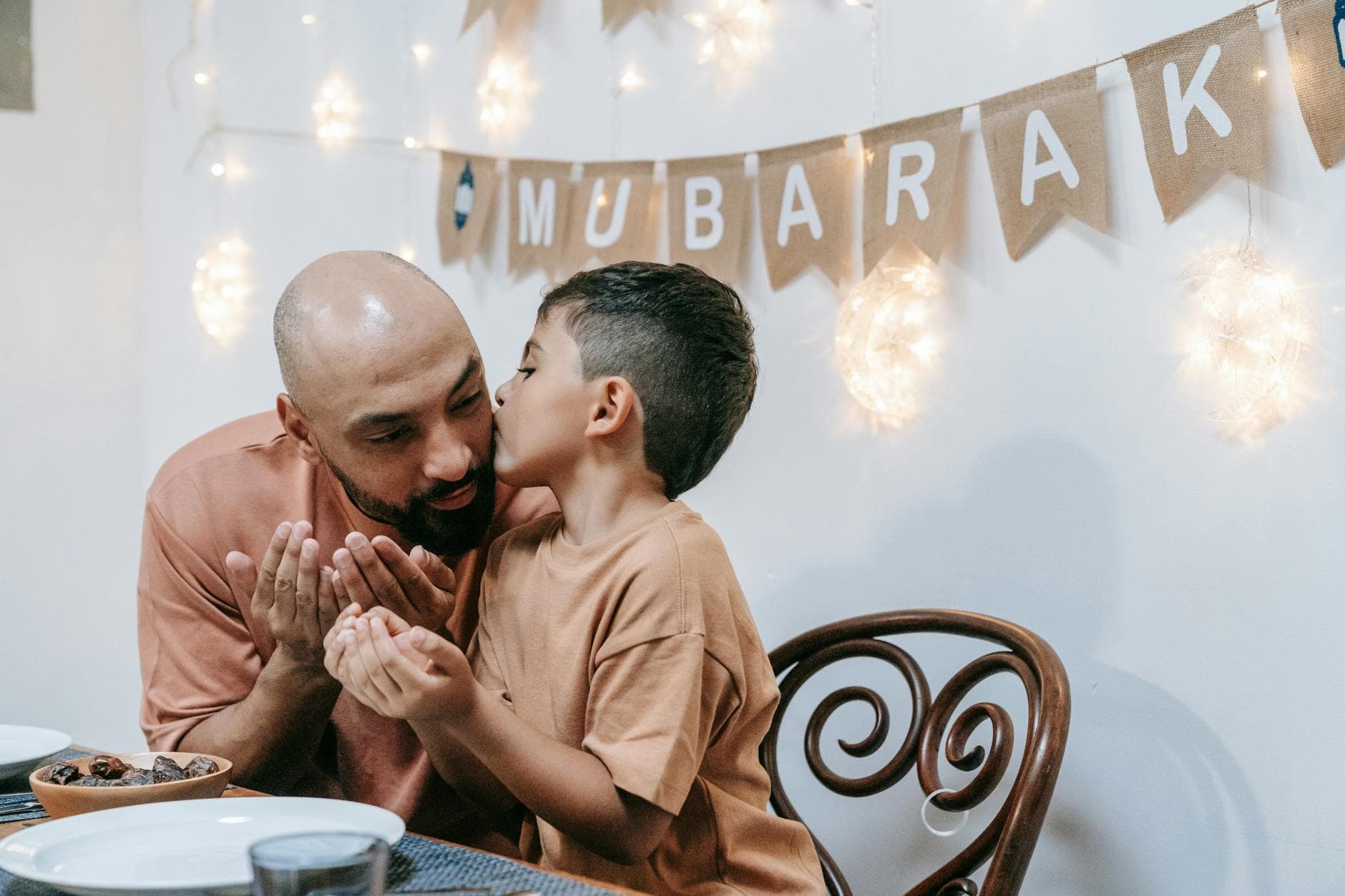
Photo by Timur Weber
Someone you love is changing in ways that scare you. The person who used to share your deepest convictions about Islam is pulling away from something you thought would hold you both forever. You're watching it happen, unsure whether to reach out or step back.
Your confusion is legitimate. Your grief is real. And what you do next matters more than you know.
Why This Is Happening
What your loved one is going through has a name and a pattern, even if it doesn't feel that way from the outside. Your grief at your child's departure is real and valid, they have not died, but the future you imagined has, and you deserve space to mourn. Understanding this is the first step toward supporting them without losing yourself in the process.
The family honor dynamics you may be experiencing isn't a personal failure. It's the predictable consequence of a system that tied your sense of Ramadan communal identity directly to your participation in Islam. When that participation changes, the loss is real and proportionate to what was at stake.
Resist the urge to involve outside authorities, imam, community elders, mutual friends, without your loved one's explicit permission. This almost always backfires. It communicates that you've chosen the institution over the relationship, and it confirms their fear that honesty leads to punishment.
The hardest part of supporting someone through this may be accepting that you cannot control the outcome. You cannot love them back into belief. You cannot argue them back into the mosque. What you can do is show them that your love is not conditional on their theology. That single message, delivered consistently, is more powerful than any apologetics argument. You don't have to be sure about anything to deserve support.
Why Does This Grief Feel Different?
This grief feels different because it lacks the usual scaffolding. There is no funeral, no sympathy cards, no community gathering around your loss. The thing you're mourning, your faith, your community, your certainty, is invisible to most people around you. Some of them don't even recognize it as a real loss. That absence of recognition is part of what makes it so isolating.
The Islamic world taught you that Muslim identity was who you are, not just what you believe. When that identity cracks, you're not just revising a theological position. You're losing a self-concept that organized everything from your daily routine to your deepest relationships.
Your loved one is probably watching you more closely than you realize. They're looking for evidence that honesty is safe, that being real about where they are won't cost them the relationship. Every interaction is a data point. When you show up with curiosity instead of judgment, you're writing proof that love is bigger than agreement.
Consider seeking out other families who are navigating mixed-faith dynamics. The isolation of being a supporter in a faith community that treats your loved one's departure as a failure can be overwhelming. Finding others who understand, who have sat where you're sitting, provides a kind of relief that no amount of personal prayer or pastoral counseling can replicate. You don't owe anyone an explanation for where you are.
What Does Your Child Actually Need?
This is harder than people around you probably recognize, and you deserve support that's specific to what you're going through. You didn't choose this situation, and the fact that you're here, reading, thinking, trying to understand, says something meaningful about the kind of person you are.
The stakes of questioning Islam carry a dimension that must be named plainly: in some families and some countries, apostasy carries consequences that range from social ostracism to physical danger. If your safety is a concern, your safety comes first, before honesty, before authenticity, before any other value this article might discuss. You know your situation better than any writer.
Here's what actually helps, based on the experience of thousands of families: listen more than you talk. Your loved one has likely rehearsed this conversation in their head dozens of times, anticipating your objections. When you ask genuine questions instead of making counter-arguments, you disrupt their worst expectations in the best possible way.
Many supporters fall into a pattern of surveillance, monitoring their loved one's behavior for signs of return or further departure. This is exhausting for both of you and damages trust. If you catch yourself checking whether they prayed, whether they attended, whether they're "getting worse", pause. Ask yourself what you actually need right now. The answer is usually reassurance, and surveillance doesn't provide it. There is no wrong way to navigate this.
What Not to Say (and What to Say Instead)
The things that feel most natural to say are often the things that cause the most damage. "I'll pray for you," "Have you talked to imam?", "Are you sure this isn't just a phase?", "You'll regret this", each of these feels like love to the person saying it and feels like a closing door to the person hearing it. What helps more: "I love you, and that hasn't changed."
The being treated as if you have been corrupted by the West is one of the most painful dimensions of this transition. Your family isn't trying to hurt you. They're operating from the same framework you were given, one that tells them your soul is at stake. Their fear is real, even when their response is harmful.
The urge to fix this is natural. You see someone you love in pain, and every instinct says to make it stop. But their pain is not a problem to be solved, it's a process to be respected. Your presence matters more than your solutions. Sit with them. Ask questions. Let silence exist without rushing to fill it.
Your own grief about this transition is valid and deserves its own space. You may be mourning the cultural belonging you thought you'd share forever. You may be afraid of what this means for your family's future. These fears are not irrational, they reflect real changes in your shared life. You're allowed to change your mind. About any of it. At any time.
Taking Care of Yourself Through This
Supporting someone through a faith transition is exhausting work, especially when your own faith is part of your identity. You're allowed to need help too. A therapist who understands religious dynamics can help you process your own experience without it bleeding into your relationship with the person you're supporting.
Whatever happens with your loved one's faith, your relationship with them is not over unless someone decides it is. Many families find their way to a new normal, different from what they imagined, but genuinely good. That possibility is real, and it's worth the difficult work of staying connected.
Your love brought you here. That matters more than you know.
Share this article
Your Next Steps
Try This
- Write down one thing you want your loved one to know about how much they still matter to you, separate from any disagreement about belief.
- Choose one conversation this week where you commit to listening without trying to persuade, correct, or redirect toward Islam.
- Reach out to one person in your life, a trusted friend, imam, or counselor, and tell them you are struggling with this too.
Keep Reading
Explore Resources
A Moment to Reflect
It's okay to grieve what you thought the future would look like, that loss is real, and it doesn't mean the relationship is over.
You might notice fear and love sitting side by side right now. What would it feel like to lead with the love, even just for one conversation?
What is one thing about your loved one that has not changed, that still connects you to them as a person, beyond belief?
Stay connected
A monthly letter with new articles, book recommendations, and quiet resources. Just an email address — unsubscribe anytime.