They Are Still Your Child: Muslim Parents and Post-Islam Identity
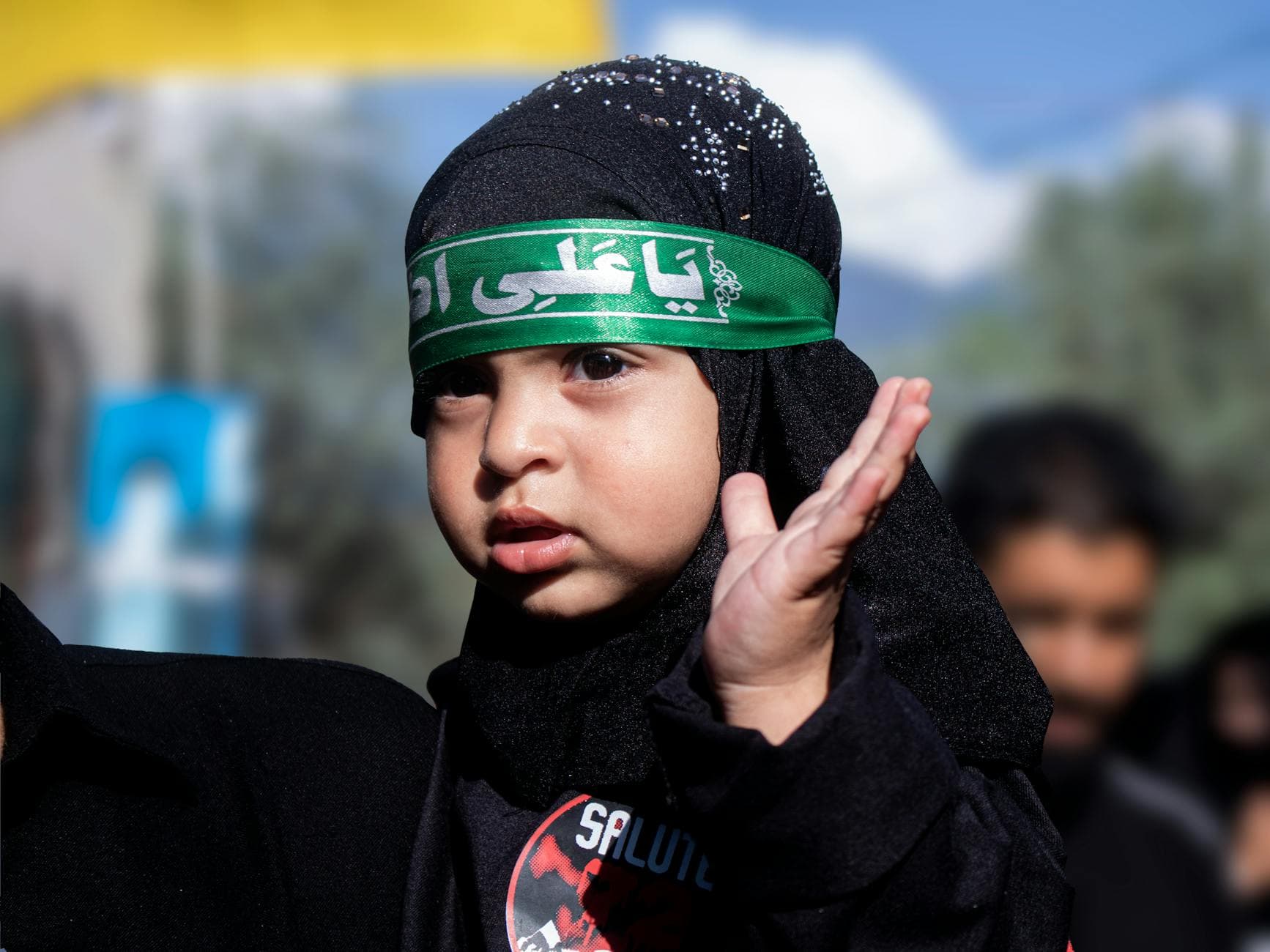
Photo by Tauseef Khaliq
The conversation happened, or maybe it hasn't yet, and you're reading this because you can feel it coming. Either way, the ground under your shared life has shifted. Someone you love is walking away from Islam, and everything that entails is hitting you all at once.
You're allowed to feel everything you're feeling about this.
Why This Is Happening
What your loved one is going through has a name and a pattern, even if it doesn't feel that way from the outside. Islam shaped every aspect of their identity, name, diet, dress, social world, and their departure does not erase the person you raised. Understanding this is the first step toward supporting them without losing yourself in the process.
The being treated as if you have been corrupted by the West is one of the most painful dimensions of this transition. Your family isn't trying to hurt you. They're operating from the same framework you were given, one that tells them your soul is at stake. Their fear is real, even when their response is harmful.
Find your own support. You need someone to talk to about what you're going through, and that person should not be the one who is deconstructing. A therapist, a trusted friend, a support group for families navigating faith transitions, these resources exist and using them isn't weakness. It's okay if this takes longer than you thought it would.
Who Are You Without This?
You are not starting from zero, even though it feels that way. The person you were inside Islam was genuinely you, shaped by context, constrained in some ways, but not a fabrication. What's happening now is not unmasking. It's evolution. And evolution is slow, nonlinear, and uncomfortable in the middle.
What outsiders rarely understand about leaving Islam is the scope of what changes. It's not just beliefs. It's vocabulary, social calendar, moral intuitions, daily habits, relationship dynamics, and often your sense of safety. The word "leaving" doesn't capture the enormity of what's actually happening.
It may help to know what your loved one is not doing: they are not doing this to hurt you, they are not going through a phase, they are not being deceived by the internet or bad influences, and they are not attacking your faith by questioning their own. They arrived at a different conclusion through genuine reflection, and treating that as an attack will only drive them away. It's okay to rest in the middle of this. Not everything requires forward motion.
What Does Your Child Actually Need?
This is harder than people around you probably recognize, and you deserve support that's specific to what you're going through. You didn't choose this situation, and the fact that you're here, reading, thinking, trying to understand, says something meaningful about the kind of person you are.
What makes this particular to Islam is the totality of what's involved. This isn't just a change in Sunday morning plans. The ummah organized your social life, your moral framework, your sense of where you stand in the universe, and often your closest relationships. When you question one piece, the rest trembles.
Here's what actually helps, based on the experience of thousands of families: listen more than you talk. Your loved one has likely rehearsed this conversation in their head dozens of times, anticipating your objections. When you ask genuine questions instead of making counter-arguments, you disrupt their worst expectations in the best possible way. You're not behind schedule. There is no schedule.
Taking Care of Yourself Through This
Supporting someone through a faith transition is exhausting work, especially when your own faith is part of your identity. You're allowed to need help too. A therapist who understands religious dynamics can help you process your own experience without it bleeding into your relationship with the person you're supporting.
Whatever happens with your loved one's faith, your relationship with them is not over unless someone decides it is. Many families find their way to a new normal, different from what they imagined, but genuinely good. That possibility is real, and it's worth the difficult work of staying connected.
Your love brought you here. That matters more than you know.
Share this article
Your Next Steps
Try This
- Write down one thing about your child that has nothing to do with their faith, a quality, a memory, a moment that made you proud, and keep it somewhere visible this week.
- Before your next conversation with your child, identify one question you can ask that is about their life, not their beliefs.
- Reach out to one person in your life, a friend, sibling, or counselor, who you can talk to honestly about what you're feeling right now.
Keep Reading
Explore Resources
A Moment to Reflect
It's okay to love your child deeply and still feel grief, confusion, or even anger about this, those feelings can exist at the same time without making you a bad parent.
You might notice that some of your fear is about your child's safety or future, and some of it is about your own sense of loss. Both are worth sitting with separately.
What would it feel like to have one conversation with your child where the only goal was simply to understand them, not to change anything, just to listen?
Stay connected
A monthly letter with new articles, book recommendations, and quiet resources. Just an email address — unsubscribe anytime.