Ex-Adventist and Spiritually Curious: Exploring Faith Beyond SDA Boundaries
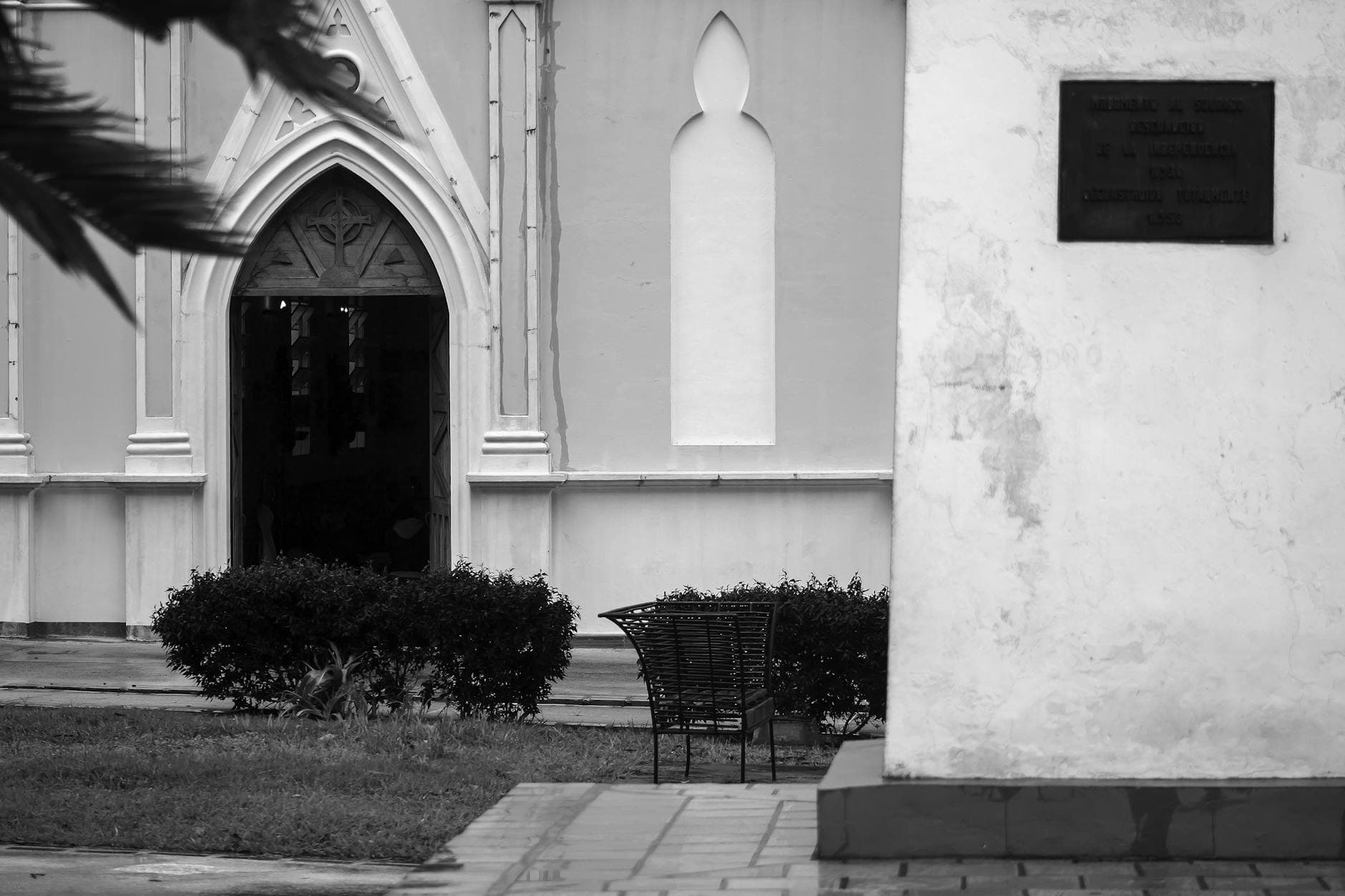
Photo by Arturo Añez.
The leaving is done, or mostly done, and now you're left with what remains: the questions about who you are without the Adventist Church, the grief that arrives uninvited, the anger that catches you off guard in the cereal aisle. Recovery doesn't look like what you expected. It doesn't look like anything you were prepared for.
That's not because you're doing it wrong. It's because nobody taught you how to do this.
Who Are You Becoming?
What you're experiencing is real, and it's more common than anyone around you is likely to acknowledge. You are allowed to explore spiritual practices the church would have called deception, and you are equally allowed to leave spirituality behind entirely. Naming this is not the end of the process, but it is the beginning.
In the Adventist Church, doubt is rarely treated as a healthy part of growth. It's framed as a danger, a test, or a failure. That framing makes it nearly impossible to question openly, which forces the questioning underground, where it festers in isolation, disconnected from the support you'd need to navigate it well.
The nighttime hours are often the worst. During the day, distraction helps. But at 2 AM, when the terror that the Investigative Judgment is reviewing your case right now shows up, there's nowhere to hide. If this is happening to you, know that it's incredibly common, it's not a sign that your doubt is wrong, and it does get less frequent over time. You're allowed to change your mind. About any of it. At any time.
Why the Anger Makes Sense
You're angry because you were harmed, and anger is the healthy response to genuine harm. The years you gave, the decisions you made based on incomplete or manipulated information, the parts of yourself you suppressed, these are legitimate grounds for fury. Your anger is not a phase to rush through. It is information about what happened to you.
Many people who've navigated this transition from the Adventist Church describe the same paradox: the colporteur ministry that once felt like home now feels like a performance, but the absence of it feels like nothing at all. That gap between performance and absence is where much of the disorientation lives.
There's a particular loneliness that comes with this kind of grief. The people who would normally comfort you are often the people you're grieving. The church family that would normally hold you is the community you're stepping away from. That double bind, needing support while losing your support system, is one of the cruelest features of religious transition. There is no right timeline for any of this.
This Grief Doesn't Follow a Schedule
What you're navigating right now is genuinely significant, and it deserves to be taken seriously, by you and by the people around you. This isn't a phase, a rebellion, or a crisis to be managed. It's a fundamental shift in how you understand yourself and the world, and that kind of shift takes time, support, and patience.
Inside the Adventist Church, the entire social architecture is built on shared belief. Adventist health message isn't just a tradition, it's a trust signal, a belonging marker, a way of saying "I'm one of us." When your relationship to that shifts, the architecture doesn't just feel different. It becomes structurally different, because it was designed to function on consensus.
Anger is often the emotion people feel most guilty about, because most religious traditions teach that anger is sinful or dangerous. But anger at genuine harm is not only appropriate, it's a sign that your sense of self-worth is intact. You're angry because you were treated in ways that weren't okay. That clarity is a foundation you can build on.
You Don't Have to Navigate This Alone
If the weight of everything you're carrying right now feels like too much for one person, that feeling is telling you something worth listening to. You were never meant to navigate this alone, even though the nature of this transition often strips away the very support systems you'd normally rely on.
A therapist who understands religious transition can provide support that friends and family, however well-meaning, often cannot. You don't have to be in crisis to reach out. You don't have to have your story figured out.
There is no right timeline for any of this. There is no correct sequence of steps, no checklist to complete, no milestone that marks "done." You are allowed to take this at whatever pace makes sense for your life, and whatever you're feeling right now, the grief, the anger, the relief, the confusion, all of it tangled together, is the appropriate response to something genuinely significant.
Share this article
Your Next Steps
Try This
- Write down three words that described your identity inside the SDA church, then write three words that feel true about you now, even if they're incomplete or uncertain.
- Give yourself permission to explore one spiritual practice, idea, or community this week with no obligation to adopt it, curiosity only, no commitment required.
- Name one person in your life who feels safe enough to hear an honest answer if they ask how you're doing. Consider reaching out to them this week.
Keep Reading
Explore Resources
A Moment to Reflect
It's okay to not know who you are yet, identity after a total-world religion doesn't rebuild overnight. What's one small thing that feels genuinely yours, separate from the church?
You might notice that grief and relief show up at the same time, sometimes in the same moment. What would it feel like to let both of those be true without needing to resolve them?
It's okay if 'spiritually curious' is the most honest label you have right now. What does curiosity feel like in your body when you let yourself explore without any pressure to land somewhere?
Further Reading
Stay connected
A monthly letter with new articles, book recommendations, and quiet resources. Just an email address — unsubscribe anytime.