Domestic Violence in Orthodox Communities: When Leaving the Marriage Means Leaving Everything
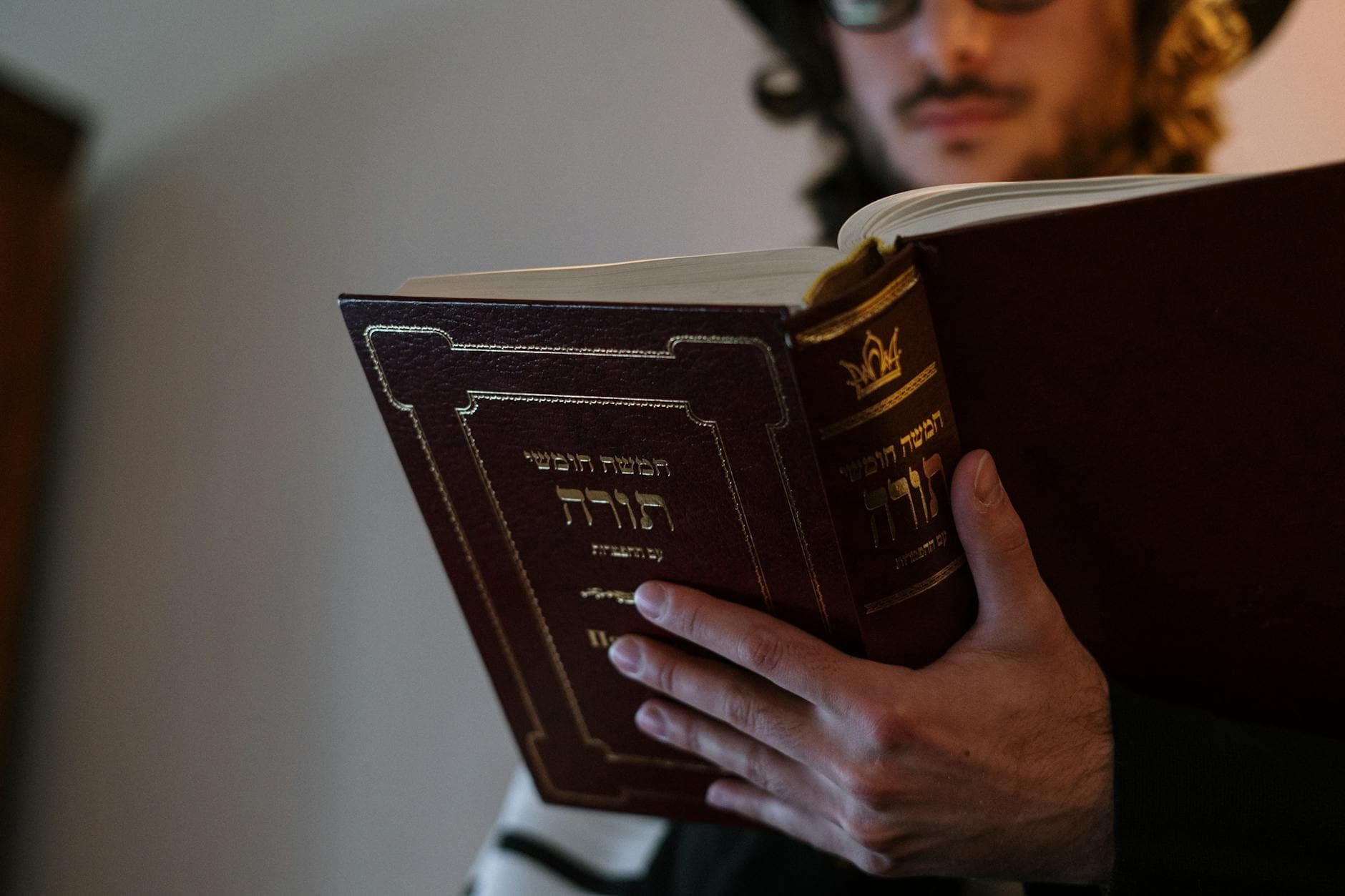
Photo by cottonbro studio
You're standing in the space between staying and going, and that space is smaller than you thought it would be. The the community that was your whole world is still right there, still carrying on, still performing the same rituals. But you can't perform them anymore. Not convincingly. Not honestly.
What comes next is uncertain. What's happening now is real.
Where Do You Start?
What you're experiencing is real, and it's more common than anyone around you is likely to acknowledge. The community structures that are supposed to protect you often protect the institution instead, and leaving requires resources most women do not know exist. Naming this is not the end of the process, but it is the beginning.
The Jewish world taught you that frum identity was who you are, not just what you believe. When that identity cracks, you're not just revising a theological position. You're losing a self-concept that organized everything from your daily routine to your deepest relationships.
Document everything you might need, financial records, important contacts, educational certificates, legal documents. If your transition involves any risk of conflict over money, custody, or housing, having your own copies of key documents is not paranoia. It's practical wisdom.
There is no clean way to leave Orthodox Judaism. Most departures are messy, gradual, and ambiguous. Some people leave and come back. Some leave physically but stay emotionally for years. Some leave one community and join another. All of these are valid patterns, and none of them follow a script. You don't have to be sure about anything to deserve support.
What About Your Marriage?
Faith transition puts pressure on a marriage that neither of you signed up for. The vows you made assumed a shared theological foundation, and that foundation has shifted. This doesn't mean the marriage is over, but it does mean the marriage has to change, and that change requires honest conversation, not silence.
What outsiders rarely understand about leaving Orthodox Judaism is the scope of what changes. It's not just beliefs. It's vocabulary, social calendar, moral intuitions, daily habits, relationship dynamics, and often your sense of safety. The word "leaving" doesn't capture the enormity of what's actually happening.
If you're in a situation where your practical stability, housing, employment, custody, physical safety, depends on maintaining the appearance of faith, that changes the calculus entirely. Your first priority is securing your independence in the areas that matter most. Everything else, the honest conversations, the public identity shift, the formal departure, can wait until you have solid ground to stand on.
People who leave Orthodox Judaism often describe feeling like they're performing a kind of social death, visible to the community as an absence, discussed in terms that reduce their complex decision to a simple narrative of being "lost" or "fallen." That narrative erasure is its own kind of harm, and it's okay to feel angry about it.
What Nobody Tells You About the First Weeks
The first weeks are a strange combination of relief and terror. You may feel lighter than you have in years, followed immediately by a wave of grief so heavy it pins you to the bed. Both are real. Neither negates the other. Most people report that the emotional volatility of the early weeks gradually gives way to something more manageable, but "gradually" means weeks or months, not days.
Inside Orthodox Judaism, the entire social architecture is built on shared belief. mechitza isn't just a tradition, it's a trust signal, a belonging marker, a way of saying "I'm one of us." When your relationship to that shifts, the architecture doesn't just feel different. It becomes structurally different, because it was designed to function on consensus.
One of the most practical things you can do right now is separate what's urgent from what's important. The pressure to have everything figured out immediately, your beliefs, your relationships, your identity, your future, is overwhelming and unnecessary. Most people navigate this one decision at a time, and that approach isn't just acceptable. It's wise.
The anticipatory grief of leaving, mourning losses that haven't fully happened yet, is one of the most disorienting features of this stage. You're grieving the conversations that will go badly, the relationships that will strain, the holidays that will feel different. This forward-looking grief is exhausting because you're mourning the present and the future simultaneously. You're allowed to take this at your own pace.
The Conversations You're Dreading
The conversation you're dreading probably won't go the way you've rehearsed it, for better and for worse. Most people find that having a script helps with the first thirty seconds and becomes useless after that. What helps more than a script is a clear sense of what you need the other person to understand, and the willingness to pause if the conversation goes off the rails.
Inside Orthodox Judaism, the entire social architecture is built on shared belief. challah baking isn't just a tradition, it's a trust signal, a belonging marker, a way of saying "I'm one of us." When your relationship to that shifts, the architecture doesn't just feel different. It becomes structurally different, because it was designed to function on consensus.
The internet has created resources for people leaving Orthodox Judaism that didn't exist a generation ago. Online communities, specialized forums, podcasts, YouTube channels, memoirs, self-help guides, the ecosystem of support is vast. But be discerning: not all post-faith communities are healthy, and some replicate the same controlling dynamics they claim to oppose. Look for spaces that tolerate disagreement.
The anticipatory grief of leaving, mourning losses that haven't fully happened yet, is one of the most disorienting features of this stage. You're grieving the conversations that will go badly, the relationships that will strain, the holidays that will feel different. This forward-looking grief is exhausting because you're mourning the present and the future simultaneously. You don't owe anyone an explanation for where you are.
You Don't Have to Navigate This Alone
If the weight of everything you're carrying right now feels like too much for one person, that feeling is telling you something worth listening to. You were never meant to navigate this alone, even though the nature of this transition often strips away the very support systems you'd normally rely on.
A therapist who understands religious transition can provide support that friends and family, however well-meaning, often cannot. You don't have to be in crisis to reach out. You don't have to have your story figured out.
There is no right timeline for any of this. There is no correct sequence of steps, no checklist to complete, no milestone that marks "done." You are allowed to take this at whatever pace makes sense for your life, and whatever you're feeling right now, the grief, the anger, the relief, the confusion, all of it tangled together, is the appropriate response to something genuinely significant.
Share this article
Your Next Steps
Try This
- Write down three things you would need in place before you could safely leave, housing, finances, documents, just to see them on paper, without any commitment to act yet.
- Look up one local or national domestic violence resource today (the National DV Hotline is 1-800-799-7233) and save the number somewhere only you can access it.
- Identify one person outside your immediate community, a secular friend, a family member, a coworker, whom you could contact if you needed help quickly.
Keep Reading
A Moment to Reflect
It's okay to feel grief about losing your community and relief about leaving your marriage at the same time, both can be true without canceling each other out.
You might notice that the fear of losing your children, your friendships, or your identity feels as heavy as the situation at home. What would it mean to let yourself take those fears seriously, without rushing to resolve them?
What would it feel like to have one person in your life who knew the full truth of what you're carrying right now, not to fix it, just to witness it?
Further Reading
Stay connected
A monthly letter with new articles, book recommendations, and quiet resources. Just an email address — unsubscribe anytime.