Decolonizing Your Mind After Hinduism: Separating Wisdom from Control
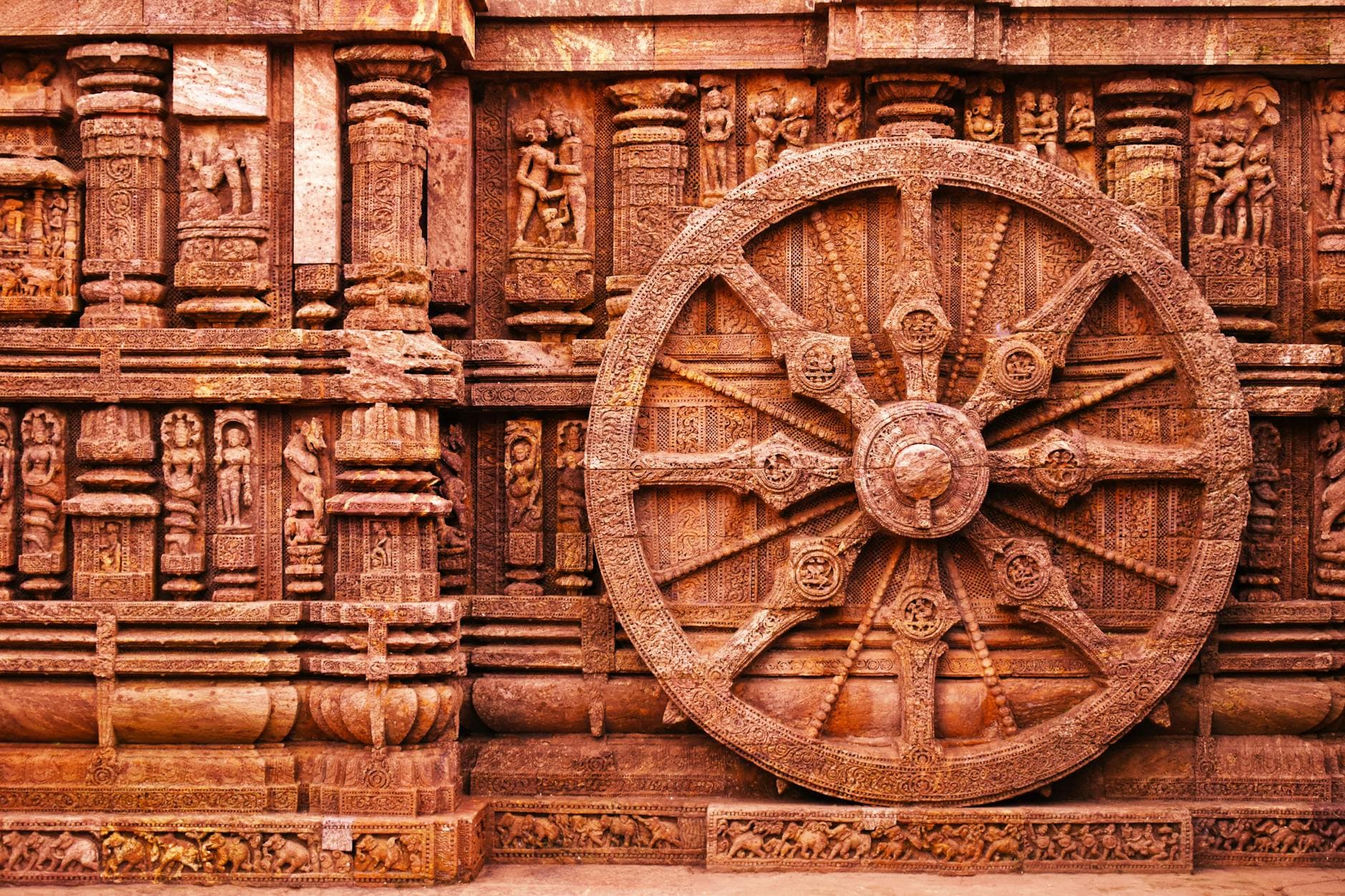
Photo by Anirudh Bharat
Some mornings you wake up and it hits you fresh, the weight of what you walked away from, or what walked away from you. The anger comes in waves. The grief doesn't follow a schedule. People who haven't been through this keep asking if you're doing better now, and you don't have an answer that fits their question.
You're not broken. You're in the middle of something enormous.
What Does This Mean for You?
What you're experiencing is real, and it's more common than anyone around you is likely to acknowledge. Not everything in the tradition was harmful, and not everything was helpful, sorting the genuine wisdom from the social control is recovery's intellectual task. Naming this is not the end of the process, but it is the beginning.
What outsiders rarely understand about leaving Hinduism is the scope of what changes. It's not just beliefs. It's vocabulary, social calendar, moral intuitions, daily habits, relationship dynamics, and often your sense of safety. The word "leaving" doesn't capture the enormity of what's actually happening.
Professional support exists that is specifically designed for the kind of transition you're navigating. Therapists who specialize in religious trauma, financial advisors who understand the implications of leaving a tithing community, lawyers who have handled faith-related custody cases, these professionals exist. Finding the right one can save you significant pain and expense. You're allowed to change your mind. About any of it. At any time.
Why the Anger Makes Sense
You're angry because you were harmed, and anger is the healthy response to genuine harm. The years you gave, the decisions you made based on incomplete or manipulated information, the parts of yourself you suppressed, these are legitimate grounds for fury. Your anger is not a phase to rush through. It is information about what happened to you.
The Hindu world taught you that caste and dharmic identity was who you are, not just what you believe. When that identity cracks, you're not just revising a theological position. You're losing a self-concept that organized everything from your daily routine to your deepest relationships.
Information is a form of power in this process, and much of the information you need isn't available from inside Hinduism. Seek out people who have navigated similar transitions. The experience of leaving Hinduism has been documented extensively by others, and their insights can save you from unnecessary pain and costly mistakes. You're not behind schedule. There is no schedule.
This Grief Doesn't Follow a Schedule
What you're navigating right now is genuinely significant, and it deserves to be taken seriously, by you and by the people around you. This isn't a phase, a rebellion, or a crisis to be managed. It's a fundamental shift in how you understand yourself and the world, and that kind of shift takes time, support, and patience.
Inside Hinduism, the entire social architecture is built on shared belief. sacred thread ceremony isn't just a tradition, it's a trust signal, a belonging marker, a way of saying "I'm one of us." When your relationship to that shifts, the architecture doesn't just feel different. It becomes structurally different, because it was designed to function on consensus.
Document everything you might need, financial records, important contacts, educational certificates, legal documents. If your transition involves any risk of conflict over money, custody, or housing, having your own copies of key documents is not paranoia. It's practical wisdom. It's okay to not have this figured out.
You Don't Have to Navigate This Alone
If the weight of everything you're carrying right now feels like too much for one person, that feeling is telling you something worth listening to. You were never meant to navigate this alone, even though the nature of this transition often strips away the very support systems you'd normally rely on.
A therapist who understands religious transition can provide support that friends and family, however well-meaning, often cannot. You don't have to be in crisis to reach out. You don't have to have your story figured out.
There is no right timeline for any of this. There is no correct sequence of steps, no checklist to complete, no milestone that marks "done." You are allowed to take this at whatever pace makes sense for your life, and whatever you're feeling right now, the grief, the anger, the relief, the confusion, all of it tangled together, is the appropriate response to something genuinely significant.
Share this article
Your Next Steps
Try This
- Write down one belief from your upbringing that you now recognize was about control rather than wisdom, you don't have to share it with anyone.
- Identify one practice, story, or value from your tradition that still feels genuinely yours, separate from any obligation or fear.
- Set a boundary with one person this week about unsolicited religious commentary, even if it's just deciding what you won't engage with.
Keep Reading
A Moment to Reflect
It's okay to hold gratitude for parts of your tradition and anger at others at the same time, both can be true without canceling each other out.
You might notice that some of the beliefs you're untangling feel personal, even ancestral, what would it feel like to separate your love for your family from your obligation to their cosmology?
What would it feel like to reclaim one piece of Hindu philosophy or practice entirely on your own terms, stripped of the control it once carried?
Further Reading
Stay connected
A monthly letter with new articles, book recommendations, and quiet resources. Just an email address — unsubscribe anytime.